After more than 6 months of joining my office Toastmasters' Club, I finally mustered up the courage to give my icebreaker speech. And then I put it off writing it till the day of the speech.
Typical procrastination behaviour. I have lots of excuses like I was busy with work, busy with family etc but that's all they are, excuses. If I had to, I probably could have done this earlier.
Anyway the meeting was supposed to begin at 11AM and me being the idiot that I slept, went to sleep at 3AM.
I woke up at 9AM, rubbing my eyes and panicking about writing my speech. Then I calmed myself by remembering the line:
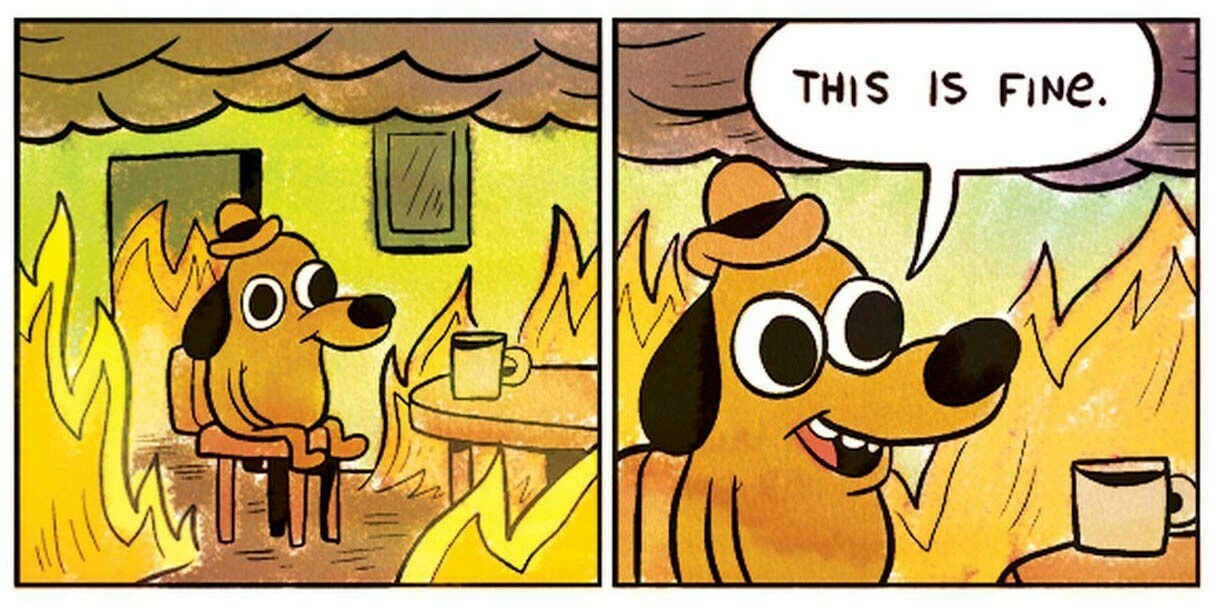
Now, these days with so much AI, I think, let me pawn this off to Claude and get freshened up, it can give me something to get started. And this is what it gave me:
“Three Things in My Pocket”
Madam/Mister Toastmaster, fellow members, and guests.
If you emptied my pockets right now, you’d find three ordinary things: [object 1, e.g. a set of keys], [object 2, e.g. a battered notebook], and [object 3, e.g. a guitar pick]. Tonight, instead of reciting my résumé, I’ll introduce myself through them.
First, [the keys]: where I come from.
These open my front door in [current city]. But the first key I ever carried opened [childhood home detail]. I grew up in [place], the [oldest/youngest/only] of [number] kids. One moment I still remember clearly is [a short story, 3–4 sentences]. It taught me [lesson], and I’ve carried that ever since.Second, [the notebook]: what I do.
I work as a [job]. On a typical day, I [plain-language description]. What most people don’t realize about my work is [surprising detail]. My proudest moment so far was [brief story].Third, [the guitar pick]: what keeps me going.
Outside work, I [hobby or passion]. I got into it when [origin], and my first attempt was [funny failure]. I keep at it because [why it matters to you].So why am I here?
Honestly, [real reason: nerves when presenting, career growth, confidence]. Right now, my [hands/knees/voice] might be giving me away. My goal at Toastmasters is [specific goal, e.g. to lead a meeting without notes by next year].Closing
So that’s me: [keys] for where I’ve been, [notebook] for what I do, and [pick] for what I love. Tonight, I’m adding a fourth item to my pocket: this speech, the first step toward [your goal]. Thank you. Madam/Mister Toastmaster.
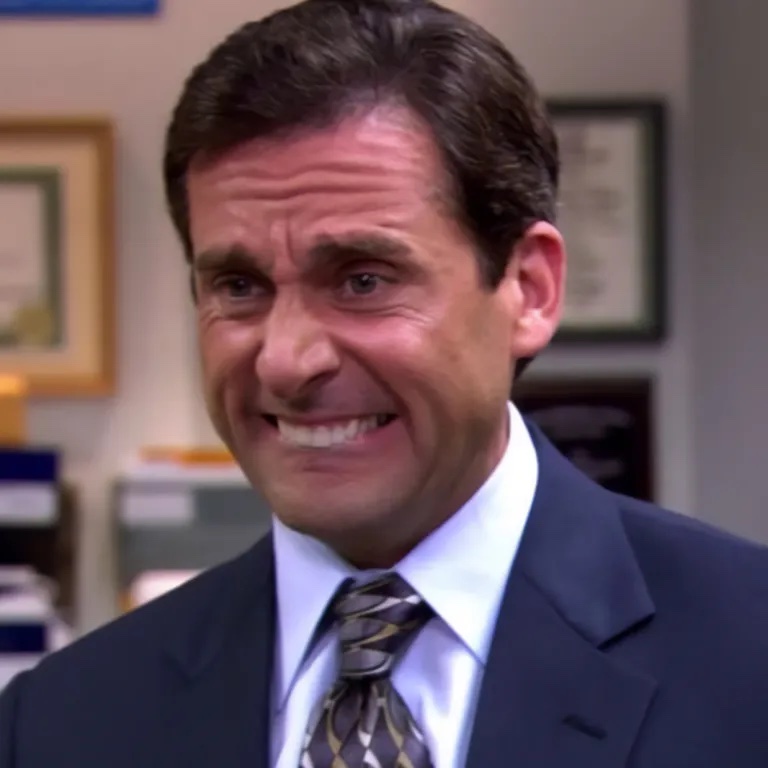
And on reading that, I cringed so hard that my jaw had a spasm. I wasn't gonna use this crap.
So I wrote my own version.
Good morning everyone!
I’m Kartikay Bagla and this is my icebreaker speech. I was told to give an introduction about myself for this speech. And as I sat down to write it, the first question that popped into my mind was: who am I? Who is anyone? What defines someone? One answer is that a person is just a sum of their memories. Keeping this in mind, let me tell you who I am through my memories.
One of my earliest fond memories and probably the reason I became a software engineer was when I received a hand me down laptop when I was kid. It was a portal to a whole different world. And as kids often do: I started playing games on it. And when I started playing games for it, I started to ask myself: how does someone make these games? And this led me down the rabbit hole of computer programming.
However it was a hard journey. Especially since back in 2012 - I didn’t have anyone to learn from in person. All I had were books from my library, online blogs and YouTube videos. And most of them were about the most prevalent language then: C. For a 6th grader, this was a very difficult barrier to cross. But I was determined to learn.
And this dogged effort taught me a lot of important concepts very early on. Logical thinking - or how do I tell the computer exactly what I want it to do. Abstraction - as a kid I knew that I won’t understand everything - so this helped me ignore parts of the code which were necessary to run but I didn’t understand.
I wrote BMI calculators at first, then I wrote pong, then copied other games. All of this lead to probably the most important lesson. Perfection is the enemy of progress. If I had started to build my dream game right out of the box, I would have failed miserably. I had to go inch by inch to cinch my goal.
I hope that this memory served well as an introduction for me. If I had to describe myself in 2 words, I’m a digital explorer through and through. That concludes my icebreaker speech. Thank you Madam/Mister Toastmaster.
Now I'm not a great writer, but this felt much more personal. Much more real. Not that cookie-cutter crap the claude spat out. But I could feel issues in the script. I just couldn't pinpoint them. Plus all of this took me only 2:15 out of the minimum 4 minute time allocated to me. So I decided to go to Claude for feedback. I probably should have gone to a human directly but due to the lack of time and the rapid prototyping I was doing, I felt this was acceptable at the moment.
It gave me some decent points: converting my vague issues into things I could pinpoint, I'll just list the top 5 here:
- The “sum of my memories” frame is your best asset. The main gap is that you promise memories, plural, and deliver only one. Add 2 more memories. A non-tech memory: Right now the audience knows the coder but not the person. A present-day memory: This gives the speech a “where I am now” ending.
- Make the laptop memory vivid. One concrete scene beats three abstract lessons.
- Cut the throat-clearing. Drop “this is my icebreaker speech, I was told to give an introduction.” Open straight on “Who am I?”
- Cut the weak exits. “I hope this memory served well” and “That concludes my icebreaker speech” deflate your ending. End on a strong line, then say “Thank you, Toastmaster.”
- Tie the closing to your frame. For example: “So if a person is the sum of their memories, mine add up to a digital explorer, and today is a new memory in that sum.”
The points it gave made sense to me: Adding more memories killed 2 birds with one stone. It gave my speech substance as well as a longer duration. Making the memory more vivid also made sense. I wasn't too sure on the throat clearing at the beginning but I agreed with the weak exit. Especially with the closing it suggested. I think that line tied the narrative together.
I shortened the intro and I added a bit more details about the laptop and the feelings inside me when I wrote code it. Then, I added a section about my role models. Picard and the Doctor. I think growing up, these 2 shows had a major impact on my character and development. I created 2 sections, one talking about each of them.
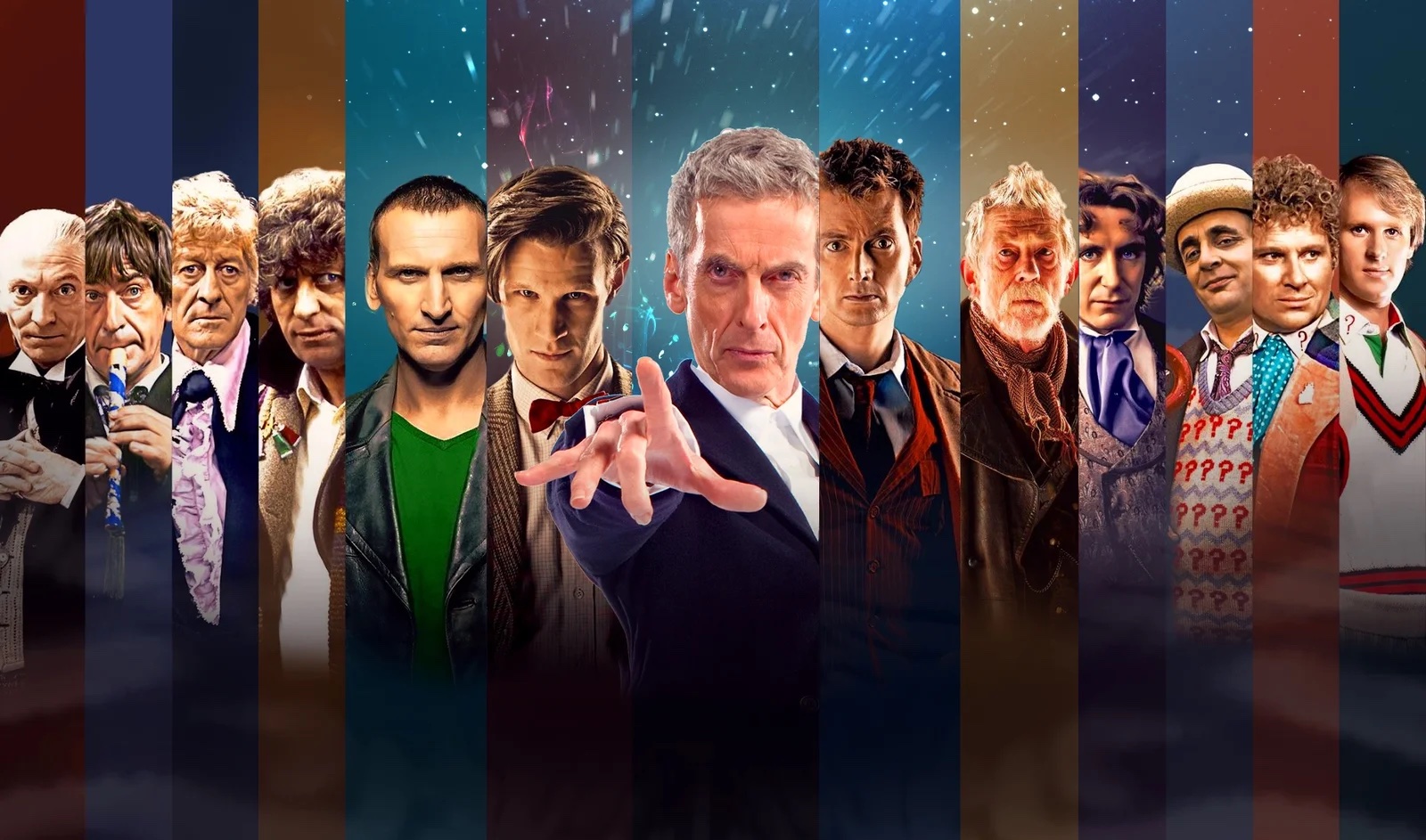
But I felt it was too surface level, similar to the mistake I made about the laptop and coding memory.
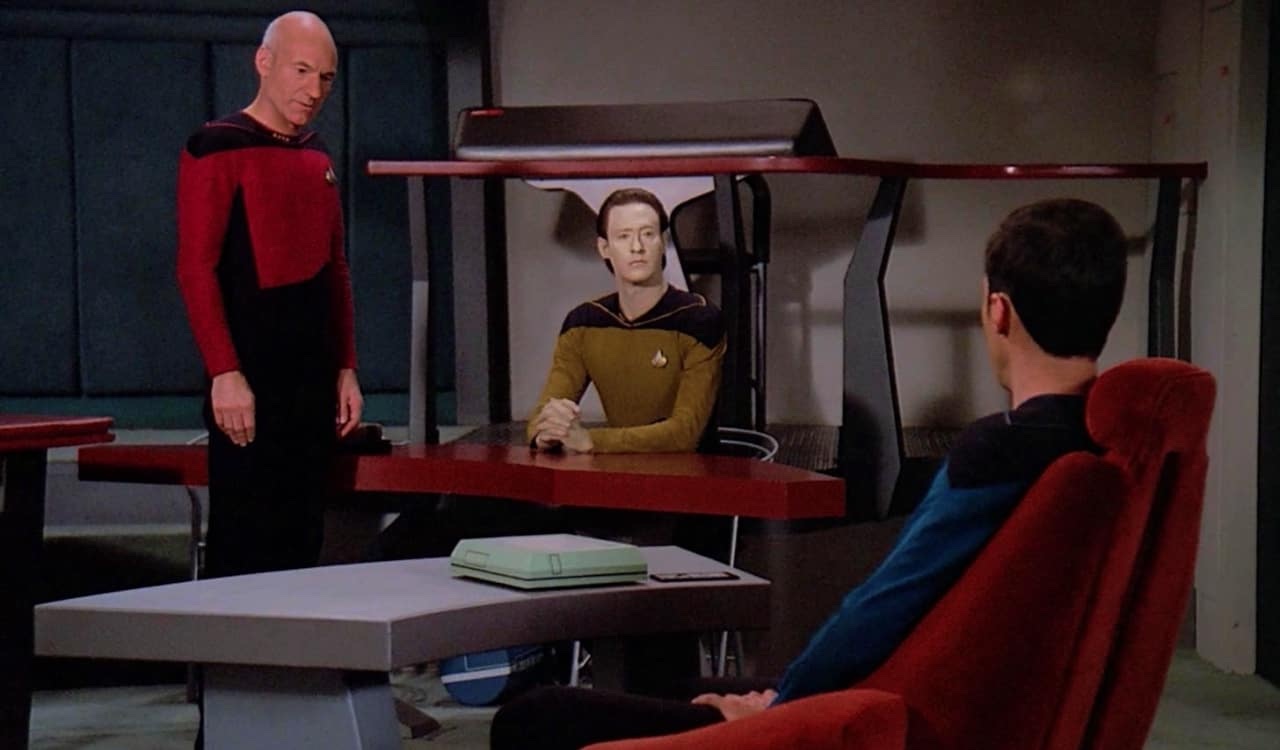
So I decided to dig deep into Picard. And talk about a specific episode. The Measure of a Man. I had to simplify the episode a lot as I knew my audience probably wouldn't know much about the Star Trek universe while still keeping the gist of it.
I still felt that the end wasn't great, I wasn't able to tie up the whole thing properly, which is what I asked some help for. And then I was finally done. It was around 10:30AM. 30 minutes before the meeting began.
Here's the final speech:
Who am I? Who is anyone? What defines someone? One answer I liked is that a person is just a sum of their memories. Keeping this in mind, let me tell you who I am through my memories.
One of my earliest fond memories and probably the reason I became a software engineer was when I received a hand me down laptop when I was kid. It was a very old, very heavily used. grey celeron laptop with 2GBs of ram and running windows xp. But to me it was a portal to a whole different world. And as kids often do: I started playing games on it. And when I started doing it, I started to ask myself: how does someone make these games? And this led me down the rabbit hole of computer programming.
However it was a hard journey. Especially since back in 2012 - I didn’t have anyone to learn from in person. All I had were books from my library, online blogs and YouTube videos. And most of what I found was teaching C. For a 6th grader, this was a very difficult barrier to cross. But I was determined to learn.
And this dogged effort taught me a lot of important concepts very early on. Logical thinking - or how do I tell the computer exactly what I want it to do. Abstraction - as a kid I knew that I wouldn’t understand everything - so this helped me ignore parts of the code which were necessary to run but I didn’t understand.
The first program I wrote was a BMI calculator which just took input over the terminal, then I wrote copied pong. Watching the screen show graphics that I drew completely changed me, I knew then that I could make this machine do whatever I wanted. All of this led to probably the most important lesson. Perfection is the enemy of progress. If I had started to build my dream game right out of the box, I would have failed miserably. Inch by inch, it’s a cinch. Yard by yard, it’s hard.
As I grew older, I started to find role models for myself. There was one televsion show that was the biggest influence on me, it's characters serving as excellent compasses in times of hardship and uncertainty for me.
That show is Star Trek: The Next Generation. The entire crew is filled with characters from whom you can learn something. But no one exemplifies the values of show more than the lead character: Captain Jean-Luc Picard. He was the epitome of a moral compass and an excellent leader. Watching Star Trek taught me to think outside the box, not just from my own perspective, but from the perspective of the person sitting across the table from me. To consider all viewpoints and to be ready to change my own if it does not fit the situation.
One moment that particularly stuck with me was in an episode where Picard defends the rights of an android robot on team: Lt. Cmdr. Data. The antagonist wishes to disassemble and reassemble Data to study and build more clones of him. However Data believes the research is not complete enough yet for him to undergo this procedure safely. But since Data is not human, do our protections still apply to him? This question is resolved in a court hearing. The key moment in that episode was when Picard defended Data's rights, the antagonist realised he was wrong and, he changed his mind and decided to pursue his research further before attempting this procedure. At first I thought the antagonist was a fool for not sticking to his beliefs. But later I realised that changing his beliefs did not make him a lesser man, it made him a better man. And in realising that, I changed my mind too.
Throughout the show, there are themes of tolerance and compassion. but for me the biggest lesson is that to change your mind is not a sign of weakness, but of strength. You must have the capacity to learn new things and adjust your views accordingly.
My old laptop taught me to build inch by inch and star trek taught me to change course when the evidences requires it. Both of these taught me to explore and that pull has been inexorable since. So if a person is the sum of their memories, mine add up to a digital explorer, and today is a new memory in that sum.
Thank you, Toastmaster.
Overall my talk went very smoothly. I came in at around 4:15, just over the 4 minute mark which was great. And our Language Evaluator's report showed that I had solid grammer and even praised my vocabulary for using epitome. But the best of all was that I somehow managed to use no filler words during my speech. Probably because I was reading from a teleprompter, but still I was quite happy about that! My evaluator also praised my calm and steady voice and I was glad. Because it was something I practiced a lot for in my rehersals. I have a tendency to speak fast and then get stuck in umm/ahhs when I get nervous and I was able to beat all of that this time.
Some great feedback I received from my Evaluator and the General Evaluator was that I had position my camera awkwardly (because of my poor planning) and therefore they were getting a very close up view of me. Plus since I was so focused on my nerves and speaking calmly that my body went quite stiff. They suggest better positioning of the camera so that my whole upper body is in view along with body language and hand gestures would definitely elevate my speeches. Plus my voice became a bit monotonous after a while. Adding vocal variation, fast/slow/impressions etc during certain parts would help with that as well.
I was really pleased with the actionable and specific feedback I got from our club and will be working on improving that next time.
At the end of session I won the best speech of the session poll which was a pleasant surprise.
It was a great meeting overall, I really enjoyed the other speakers as well, though I must admit that due to my nervousness I wasn't able to pay full attention to the speakers before me.
I'm definitely looking forward to writing my next speech for Toastmasters!